Custom orthotics for metatarsalgia: the short answer
Custom orthotics for metatarsalgia can include forefoot padding and cushioning designed to help spread pressure away from a sore ball of the foot. They may help with comfort. They do not suit every cause of forefoot pain, though, and some causes need a podiatrist to check them first.
At Upstep, we hear from many people with ball of foot pain, and they tend to ask the same few questions before ordering. This article answers those questions in order: whether a custom pair can include a metatarsal lift, whether old plantar fasciitis orthotics still work, whether a pair will fit work boots, and whether other people with metatarsalgia have been happy.
Each answer starts with the short reply, then the honest caveats. If your pain is sudden, severe or getting worse, go straight to the section on when custom orthotics are not the right first step.
What metatarsalgia and ball of foot pain mean
Metatarsalgia is a general name for pain in the ball of the foot, the padded area under the long bones just behind your toes. The word describes where it hurts, not one single cause. Because the causes differ, a doctor or podiatrist should check sudden, severe or lasting ball of foot pain before you choose any orthotic.
People with ball of foot pain commonly describe:
- An ache or burning feeling under the forefoot
- A feeling like walking on a pebble or a fold in the sock
- Pain that builds on hard floors, during long shifts or in thin-soled shoes
These are things people report, not a checklist. Only a doctor or podiatrist can tell you what is behind your pain.
Morton's metatarsalgia is an older name often used for Morton's neuroma. Morton's neuroma is a thickened, irritated nerve between the toe bones that can cause burning, tingling or numbness toward the toes. Nerve symptoms like these are worth a podiatrist visit, because the right approach depends on what is going on.
Metatarsalgia fracture is a phrase people sometimes search when a stress fracture is the real cause of forefoot pain. A stress fracture is a small crack in a bone. If you have sudden, sharp pain in one spot, or swelling after a jump in activity, see a doctor or podiatrist before buying any orthotic. Our guide to exercising with stress fractures in the foot covers what to avoid in the meantime.
For a fuller overview of causes and care, read What Is Metatarsalgia: Symptoms, Causes, Treatments, and More.
Can a custom pair include a metatarsal lift?
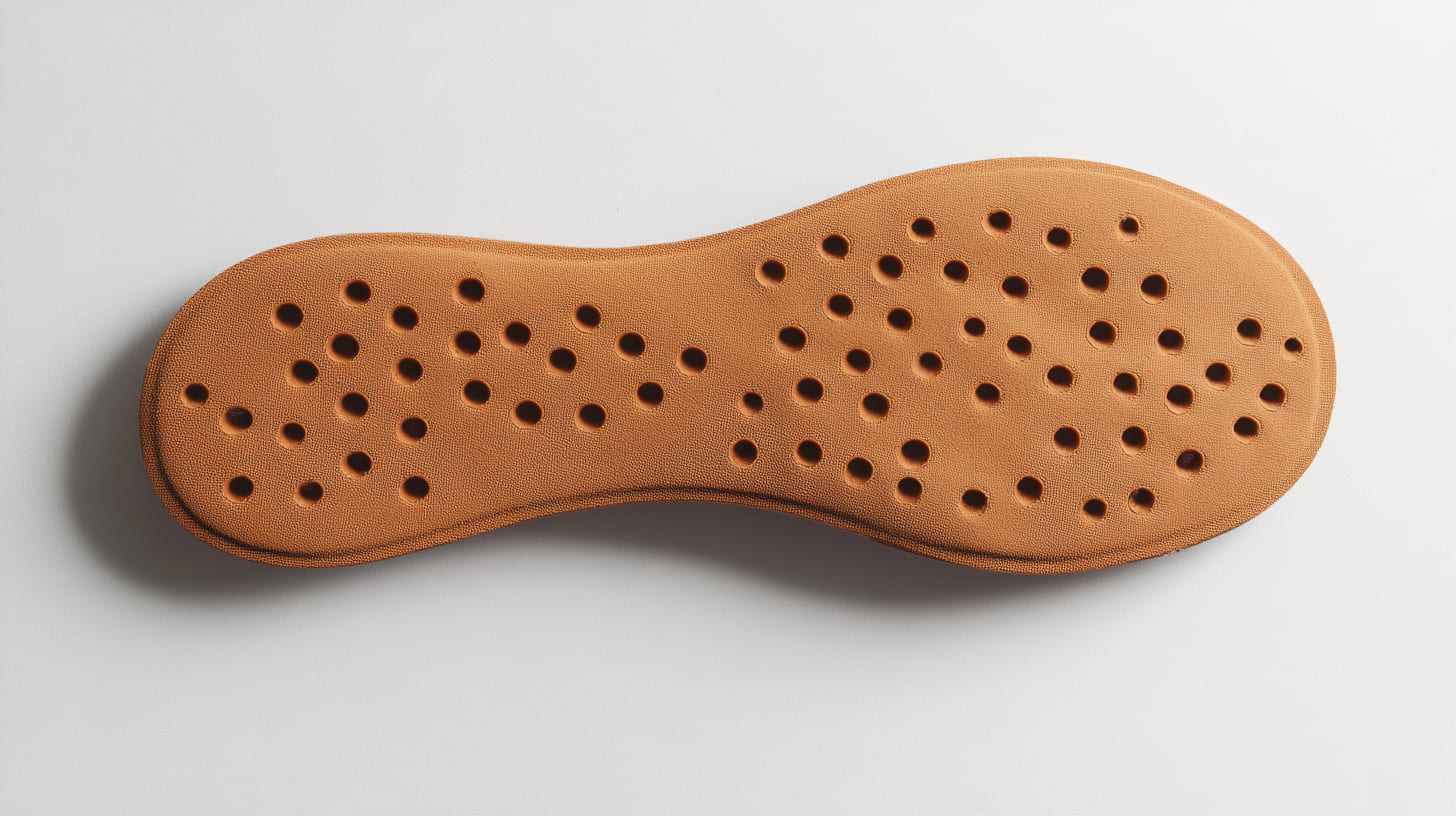
Yes. Upstep Metatarsalgia Custom Orthotics are designed as targeted support for ball of foot pain, with metatarsal padding and cushioning. Because the pair is made from your own foot impression, the padding is built into the design and stays where it was placed, instead of shifting around in your shoe.
The listed benefits of Upstep Metatarsalgia Custom Orthotics are metatarsal support, ball of foot cushioning and pressure relief.
A metatarsal pad or lift usually sits just behind the ball of the foot, not directly under the sore spot. Placed there, it can help shift some load away from the painful area. That is why position matters so much. A pad that sits too far forward can press on the very spot that hurts.
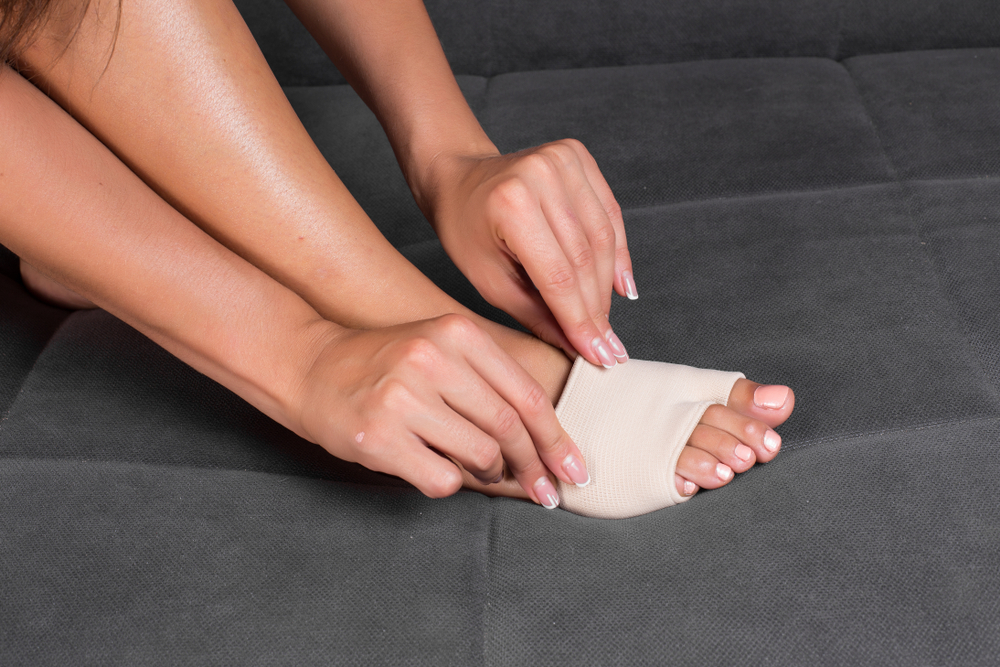
Stick-on metatarsal pads are a common first try. Many people find them hard to place correctly, and they can move over time. A pad built into an orthotic made from your impression stays in one place.
One honest caveat: a metatarsal pad may help with comfort, but it is not a treatment for a fracture or a nerve problem. If numbness or tingling is part of your ball of foot pain, see a podiatrist first.
Arch supports, metatarsal pads and custom orthotics compared
People often look for arch supports for metatarsalgia. An arch support on its own mainly supports the middle of the foot. It may do little for the forefoot unless it also includes forefoot support placed just behind the ball of the foot.
This table compares three common options for ball of foot pain: over-the-counter orthotic insoles for metatarsalgia, stick-on metatarsal pads, and Upstep custom orthotics for metatarsalgia.
| Feature | Over-the-counter orthotic insoles | Stick-on metatarsal pads | Upstep Metatarsalgia Custom Orthotics |
|---|---|---|---|
| How it is shaped | Generic shape in standard sizes | Generic pad shape | Made from your own foot impression |
| Where forefoot support sits | Varies by product; some have none | Wherever you stick it | Metatarsal padding and ball of foot cushioning built into the design |
| Can it shift? | Can slide if it does not fit the shoe well | Can move over time | Built into the orthotic, so the padding stays in place |
| What to expect when adjusting | Varies | Varies | Soreness in the arch, ankle or calf in the first weeks is common; 21-day adjustment period |
| Guarantee | Varies by seller | Varies by seller | 180-day money-back guarantee |
The takeaway: off-the-shelf options are a fair first try for mild pain. A custom design makes more sense when pad placement keeps going wrong or one-size shapes do not fit your feet. For more on non-custom choices, see Best Insoles for Metatarsalgia.
Here is what one Upstep customer reported after trying over-the-counter inserts first. Note his honest detail about the top material wearing near the ball of the foot.
I suffered from Metatarsalgia for over a year and tried every over the counter insert I could find. Finally, I went to a Podiatrist, physical therapists and endured several rounds of injections for another year with limited results. Long story short I am virtually symptom free and haven't had to go back for any treatments since purchasing these custom orthotics from Upstep. My first pair lasted around 6 months - the blue cloth material wore out right near the ball of my feet. I quickly ordered 2 more pair and what was great was that I didn't need to step into the molds again - the company must've kept my profile in their system and sent me my new inserts directly. I recommend these to all of my friends and family members whenever they complain about their feet. Give them a try, I'm pretty confident after the first week or two you'll notice that you're not noticing your feet anymore - which is all that I ever wanted. Now I can focus on the moment instead.Billy
Do my old plantar fasciitis orthotics still work for metatarsalgia?
Old plantar fasciitis orthotics may not help much with metatarsalgia. A pair built for plantar fasciitis is usually focused on the heel and arch, not the forefoot. Plantar fasciitis is irritation of the band of tissue along the bottom of the foot. Check whether the old pair is worn out, and tell the design team about both problems if you order again.
You can see the difference in Upstep's own designs. Upstep Plantar Fasciitis Custom Orthotics list targeted heel cushioning, a deep heel cup and arch support. Upstep Metatarsalgia Custom Orthotics add metatarsal padding and ball of foot cushioning.
Many Upstep customers who already own orthotics ask whether they need a new pair when forefoot pain starts. Before you decide, run through a few checks:
- Is the old pair worn flat, cracked or compressed under the forefoot?
- Does it still fit the shoes you wear most now?
- Does it feel the same as when it was new?
Our guides on when to replace your orthotics and how to tell if your orthotics are working go deeper.
If your old pair still feels good and the ball of foot pain is mild, try shoe changes first. A shoe with more forefoot cushioning and room for your toes is a simple, low-cost step.
If you do order a new Upstep pair, tell Upstep about both the heel history and the forefoot pain. The design team works from what you tell them, so a complete picture matters. Everyone's feet are different, so share as much detail as you can.
Will custom orthotics for metatarsalgia fit work boots?
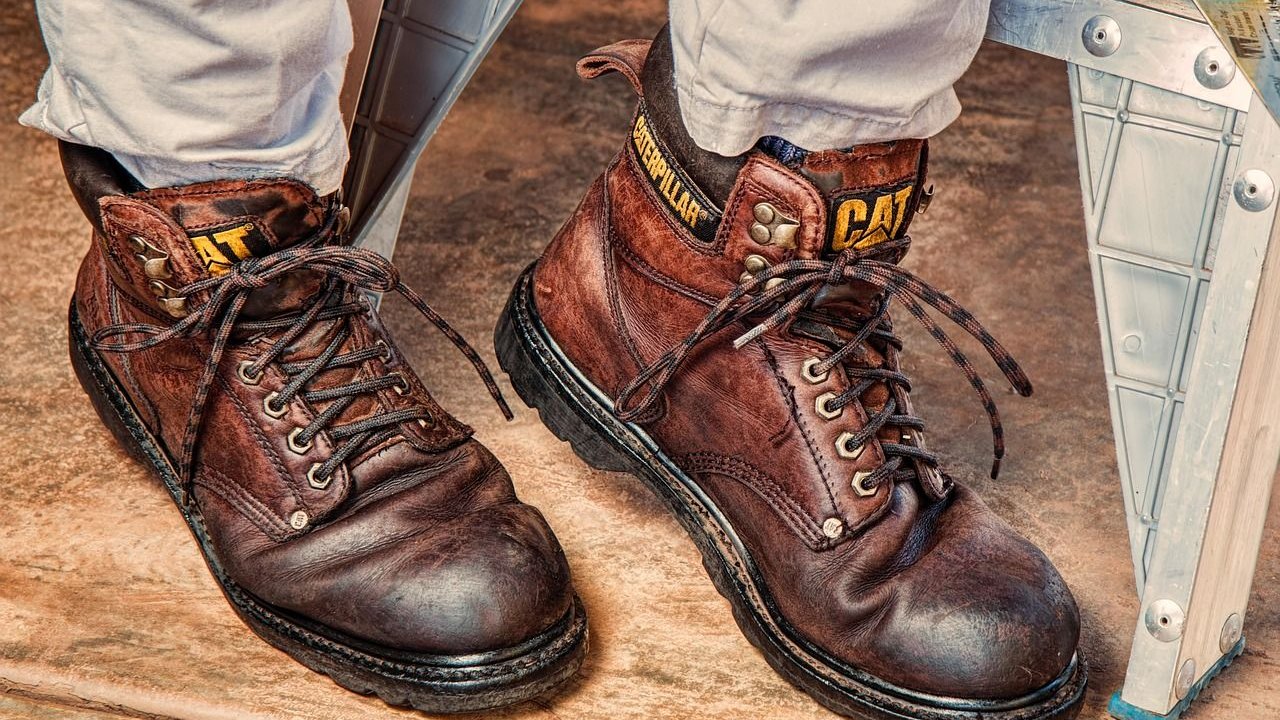
Yes. Upstep makes Work Boots Custom Insoles, engineered for work boots with rugged durability and all-day support. When you order, tell Upstep which footwear the pair is for and mention your ball of foot pain, so the design reflects both the boot and the sore spot.
A few fit basics help when you choose a pair for boots or work shoes:
- Full-length orthotics replace the shoe's existing insole.
- 3/4-length orthotics sit on top of the existing insole, because in some shoes the insole is sewn in.
- Fit for different footwear is handled through design templates, so name the boot or shoe you plan to wear.
If you spend long shifts in other shoes, such as sneakers or clogs, Upstep On My Feet All Day Custom Orthotics are made for people who stand or walk 4+ hours daily, like nurses, teachers and retail workers.
For more ideas, see Best Insoles for Boots and Foot Pain From Standing All Day.
Have people with metatarsalgia been happy with Upstep?
Many Upstep customers with ball of foot pain report that walking and standing feel more comfortable in their pair. This section shares what Upstep customers report and ask. It is not a promise of results, because everyone's feet are different.
Many people ask this question before ordering, often after over-the-counter inserts gave them some relief but not enough. One customer, Billy, wrote that after more than a year of trying over-the-counter inserts and other care, he felt virtually symptom free in his Upstep pair. When he reordered, he did not need to take new molds. Returning customers can ask for a new pair made from their previous design.
Another customer, Sidney, compared an Upstep pair with an earlier custom pair:
I had (much more expensive!) custom fit orthotics from my foot specialist which caused me a lot of pain. These orthotics fit perfectly and I have had no pain since I began wearing them 3 months ago.Sidney
Not every pair feels right the first time. Results vary, and some people need changes. Within the guarantee, you get one complimentary redesign. The design team reviews your experience and may suggest whether a redesign is likely to help, but you can choose a refund instead.
Expect an adjustment period too. Soreness in the arch, ankle or calf in the first weeks is common as your muscles get used to the new support. The 21-day adjustment period exists for this. If you get significant pain, blisters or skin irritation, contact Upstep right away instead of waiting.
How ordering and adjusting work
You order online, take a foot impression with the kit Upstep sends, and mail it back. Your Upstep custom orthotics arrive 12-18 business days after the completed kit reaches Upstep. Then you break them in gradually, with a 21-day adjustment period and a 180-day money-back guarantee to give you room.
- Order and tell Upstep about your activities, your footwear and where it hurts.
- Your impression kit ships in 3-5 business days.
- Take your impression and send the kit back with the prepaid label in the box.
- Your orthotics arrive 12-18 business days after the completed kit arrives.
If the design team finds your impression cannot be used, Upstep sends a replacement kit free of charge before production. Shipping is free.
Adjusting. Wear the pair for short periods at first and build up. You are asked to wear them for 21 days before a standard return. You do not need to wait if they cause significant pain, blisters or skin irritation, are the wrong size, were made incorrectly or were made for the wrong footwear.
Guarantee and returns. Upstep custom orthotics come with a 180-day money-back guarantee and one complimentary redesign within that period. Returning a pair that has shipped has a $19 per pair return shipping fee per pair, and refunds go to the original payment method. The Upstep team handles returns directly. Any adjustments made by an outside provider void returns and redesigns.
Warranty. The 8-year breakage warranty covers the orthotic shell, the bottom layer, only. The top materials are not covered, because they naturally wear over time, which is the kind of wear some people notice under the ball of the foot.
Paying. Upstep custom orthotics are HSA/FSA eligible, and Klarna payment plans are available. Upstep does not provide medical necessity letters. Your first pair is $239, and a second pair in the same order is $144. You can see current pricing on the product page.
When custom orthotics are not the right first step
Custom orthotics are not the right first step if your ball of foot pain is sudden, severe or getting worse, or if you have swelling, bruising, numbness or tingling. The same goes if you might have a stress fracture, have diabetes or have a wound that will not heal. See a doctor or podiatrist first in those cases.
For mild, new ball of foot pain, simpler steps are reasonable to try first:
- Shoes with more cushioning under the forefoot and room for your toes
- A shoe with a rocker-style sole, which curves at the front so your toes bend less as you push off
- Fewer hours in thin-soled or high-heeled shoes
- Easing back on high-impact activity for a while
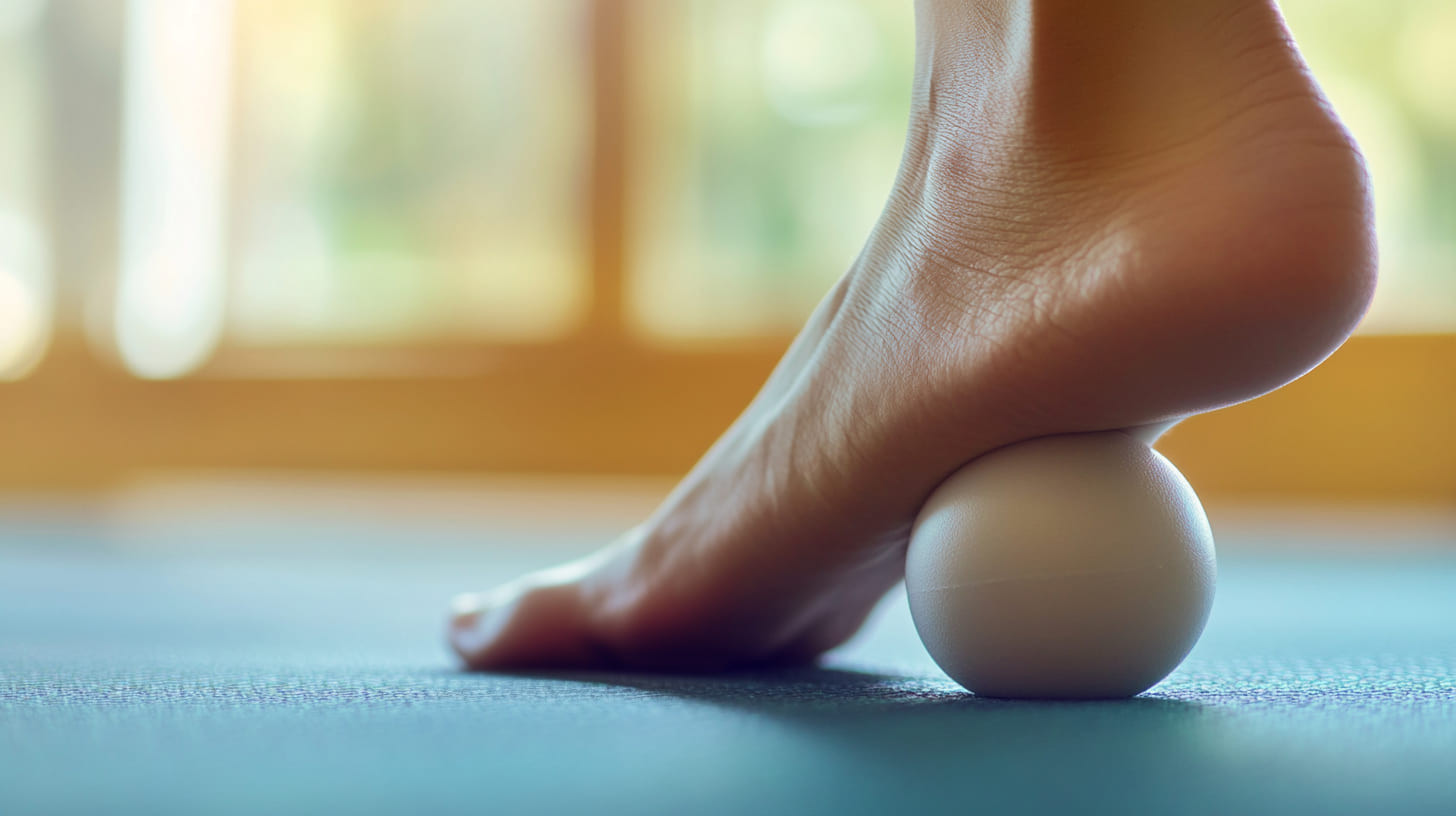
Gentle stretches can be part of the picture too. See Best Exercises and Stretches for Metatarsalgia Pain Relief, and read When to See a Podiatrist if you are unsure whether your pain needs a visit.
Upstep custom orthotics can sit alongside other care a podiatrist suggests. They support the foot and are not a medical treatment. Nerve symptoms do not rule them out: once a podiatrist has checked those symptoms, orthotics can still be designed for comfort and support. The exception is diabetic neuropathy with ulcers or amputations, which needs face-to-face care.
Next steps
If simple shoe changes have not been enough and a podiatrist has ruled out anything serious, a custom design with metatarsal padding may be a sensible next step for metatarsalgia. Learn the likely cause, check for red flags, try the simple changes, then consider custom support if the pain keeps coming back.
If you decide to order, describe where the pain sits, what you wear and how many hours you spend on your feet, so your Upstep design reflects your day. You can start with Upstep Metatarsalgia Custom Orthotics. Give your feet time to adjust. The guarantee gives you room to try, and one complimentary redesign is available within it.