

Foot Pain From Standing All Day: 4 Prevention Tips & Remedies
Prolonged standing puts continuous stress on the feet, leading to pain caused by poor biomechanics, weak support, and extended load on the joints. The right interventions—especially well-designed orthotics—can ease pressure, improve alignment, and provide lasting relief.


Published December 17, 2025

Standing for hours takes a real toll on your feet. Whether you're a nurse working 12-hour shifts, a retail employee managing the floor, or a teacher on your feet all day, that aching, throbbing pain by evening is quite common.
The good news in this situation is that you don't have to accept foot pain as part of the job. There are simple remedies you can try to ease the pain away and prevention tips to ensure your feet stay pain-free despite standing all day.
Ready to End Your Foot Pain for Good?
Get custom orthotics designed specifically for people who stand all day.
Why Your Feet Hurt After Standing All Day
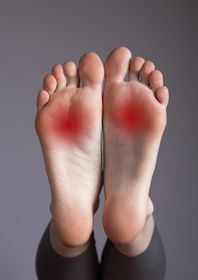
When you stand for prolonged periods, uneven pressure distribution across your feet causes the plantar fascia, ligaments, and joints to bear excessive load. This leads to micro-injuries in the soft tissues, restricted blood flow, and inflammation, which translates directly to pain and discomfort.
The impact goes beyond just your feet. Poor weight distribution can trigger secondary issues in your knees and hips. Foot issues can also lead to lower back pain.
Research shows that standing workers experience higher rates of venous congestion, which explains why your legs feel heavy and your feet swell by the end of your shift [1].
Preventing Foot Pain From Prolonged Standing
1. Using Appropriate Footwear to Prevent Foot Pain
Standing for long hours puts pressure on the plantar area of your foot. If the pressure isn't distributed evenly, the load imbalance can cause foot pain as well as several other musculoskeletal issues—not only in your foot but also in your joints and spine.
The right shoes ensure support to the sole of your foot through proper padding over the metatarsal area. They ensure your toes are spread evenly, which provides optimal gripping through a spacious toe box. Good footwear also provides arch support to maintain the arch while weight-bearing.
Who Benefits Most From Using Appropriate Footwear
- Anyone working prolonged hours in standing positions
- Those who must keep standing on rough or hard surfaces that don't allow even weight distribution of the feet
- Those with ankle instability, rolling of the feet, or those with initial heel pain
Proper footwear can help ease discomfort and enhance performance if you're on the verge of developing foot conditions like metatarsalgia, flat feet, or hallux deformities.
When Using Appropriate Footwear Doesn't Work
Footwear can work well as a preventive measure, but for those who have already developed foot conditions that are inflammatory or chronic, footwear alone can't solve the problem.
If you're dealing with arthritic changes, plantar fasciitis, or heel spurs, you'll need additional treatment strategies to reduce the impact of symptoms and enhance work performance.
2. Taking Optimal Breaks to Prevent Foot Pain
The extent of musculoskeletal load on your feet is directly proportional to foot pain and discomfort. It depends on work volume—intensity of work, repetitions, and frequency.
Standing for prolonged hours without any breaks in between causes increased load on the lower limb, affecting venous flow. Restricted blood supply increases pain and discomfort, so you need to take sitting breaks in between.
Micro-breaks can be active, like walking a bit, moving the ankle in plantar and dorsiflexion, or stretching the calf and plantar fascia. They could be passive as well, like sitting for some time. It's recommended to take breaks every 20-30 minutes for 1-2 minutes to improve venous flow and reduce fatigue.
Who Benefits Most From Taking Optimal Breaks
- Anyone who works in prolonged standing jobs and experiences foot fatigue, discomfort, or pain after a full day of standing at work
- Those experiencing knee or hip joint pain or lower back pain
This option also helps if you're on the verge of developing venous congestion or if you have constant, regular, or recurring plantar fasciitis-related calf pain at the end of the day.
When Taking Optimal Breaks Doesn't Work
This is only beneficial for those with static standing jobs. If you're able to take active breaks or shift weight through postural changes, you might not get the desired impact and pain relief.
These breaks may also not be enough if you're suffering from severe lower back pain due to disc bulging or stenosis, or those with degenerative conditions of the joints.
3. Doing Regular Exercises to Prevent Foot Pain
If you work in static standing positions for long hours, you must incorporate regular exercises of the lower limb into your routine to prevent foot-related conditions, foot pain, and discomfort.
These exercises should include flexibility through stretching of the plantar fascia, intrinsic muscles of the feet, and calf muscles. You can do the stretching exercises actively every day before going to work or at night after work is finished for the day.
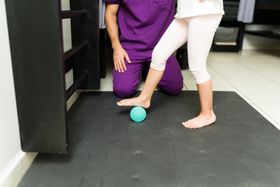
Myofascial release of the plantar fascia and calf muscle also benefits flexibility. You can do it using a massage, or tennis ball, or a foam roller on alternate days.
Strengthening exercises of the feet—like heel and toe raises and toe curling for the intrinsic foot muscles and calf muscles—can help maintain proper strength that prevents any foot conditions that may happen as a result of prolonged standing.
Who Benefits Most From Doing Regular Exercise
- Anyone already in a static standing job or planning to do so as a preventive measure for foot pain
- Those whose working hours are long and there are no breaks in between
People with early signs of inflammation—like foot pain, morning stiffness, and limited range of the ankle—can highly benefit from these exercises when done regularly.
When Doing Regular Exercise Doesn't Work
The exercises might not show the desired effect if they're not done consistently or in proper doses. Underdone or overdone exercises may cause more harm than benefit.
Exercises must be done using proper techniques to get the biomechanical and physiological effects. However, if the technique of implementation is improper, it might increase symptoms of pain.
4. Using Custom Orthotics to Prevent Foot Pain
Customized orthotics are worth getting since they're especially designed according to your individual foot condition and have been shown to reduce foot problems in around 12 weeks of wearing them with footwear [2].
They help maintain the biomechanical and structural alignment of the foot and prevent foot pain and discomfort. They help maintain proper foot alignment, distribute weight evenly to reduce plantar pressure points, and give support to the arch of your foot.
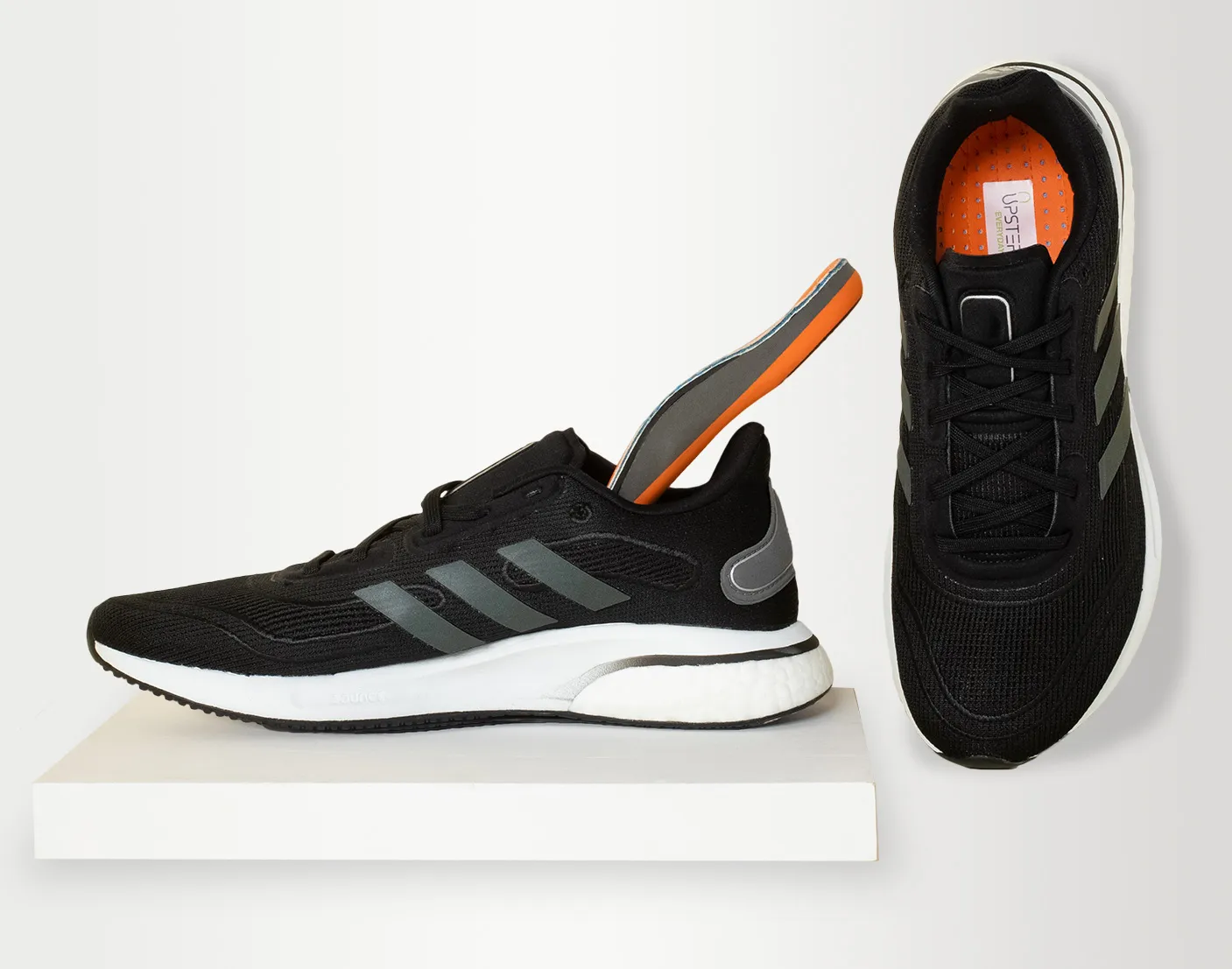
Custom orthotics may not only reduce discomfort but also enhance work performance even after prolonged hours of standing. Orthotics like those provided by Upstep are designed for people on their feet all day and can work as a preventive measure for those in prolonged static standing jobs.
Who Benefits Most From Using Custom Orthotics
- Anyone with congenital foot issues or those not benefiting from optimal footwear alone who need additional foot support, like metatarsal padding, arch raises, or heel stability
- Also beneficial for those who work on uneven surfaces where weight isn't distributed symmetrically over the feet
When Using Custom Orthotics Doesn't Work
Orthoses alone might not benefit in cases of inflammatory or degenerative foot conditions. They must be used in combination with exercises and active or passive breaks for those who stand for long hours every day.
They might also not be helpful in neurological or vascular conditions if orthoses are the only measure you're opting for.

Treating Foot Pain After a Long Day of Standing
1. Contrast Baths to Treat Foot Pain
Contrast therapy is based on the concept of vasoconstriction and vasodilation. It helps redirect proper blood flow to the feet in cases of reduced or restricted blood supply and venous return, commonly seen with prolonged standing jobs.
It involves:
- Dipping your feet in warm water for 2-3 minutes
- Followed by 1 minute of cold water immersion
- Then a warm immersion again, maintaining around 5-6 cycles.
Contrast baths increase blood flow and help flush out the toxins causing pain and discomfort [3]. They also reduce fatigue and standing-related edema in the periphery after a long day at work.
Who Benefits Most From Contrast Baths
- Anyone who needs to return to work every day and needs daily recovery
- It helps reduce swelling and pain in people who are prone to it
- It also provides a sedative effect and gives relaxation and sound sleep
When Contrast Baths Don't Work
It's not recommended in cases of conditions causing altered sensations, vascular disease, or open wounds. Although the contrast bath is beneficial, the impact is temporary and requires additional interventions that may help reduce the symptoms of foot pain and discomfort after prolonged standing.
2. Exercises to Treat Foot Pain
Regular exercises to strengthen ankles, improve foot alignment, foot and calf muscle flexibility, foot intrinsic muscles, and calf muscle strength are highly effective in preventing foot pain and discomfort.
While they must be used as a preventive management strategy, they're also highly impactful if started in early stages of foot-related conditions to prevent worsening—or even in late stages of foot conditions to initiate maintenance of foot function and reduce disability.
Stretching exercises of the foot, like the metatarsalgia stretch, plantar fascia stretch, Achilles tendon stretch, toe splay, and calf stretch, maintain your foot's flexibility and facilitate proper weight bearing. Strengthening exercises help improve the load-bearing capability of the lower extremity.
They target the foot as well as the calf through exercises like toe and heel raises, toe curling, and progressive resistance training to reduce symptoms of foot inflammation.
Who Benefits Most From Exercises to Treat Foot Pain
- Anyone who doesn't get a chance to move around much at work
- Also helpful for those who have already developed foot conditions and are finding it difficult to work because of symptoms of pain and discomfort
- Helpful for those who suffer from biomechanical and structural misalignment of the foot
When Exercises to Treat Foot Pain Don't Work
Exercises are beneficial in most cases. However, if they're not carried out using proper technique and instructions by physical therapists, they might increase pain.
Also, if exercises aren't done consistently and frequently, the impact is diminished. If combined with on your feet all day orthoses like those provided by Upstep, exercises have an enhanced impact in reducing foot pain.
3. Massage and Myofascial Release to Treat Foot Pain
Prolonged standing causes tightness in the myofascia and sometimes trigger points as a result of overuse. Self-massage manually, or myofascial release and trigger point release using a massage ball or foam rollers, helps break the adhesions in the fascia and improve flexibility.
Massage and MFR have been shown to give instant relief in foot pain and discomfort. If combined with stretches, they also have effects by improving flexibility, load-bearing, and equal plantar pressure distribution.
Who Benefits Most From Massage and Myofascial Release
- Anyone showing signs of early inflammation and complaining of pain near the heel area, arch area, or midsole area
- It will also help reduce pain and discomfort instantly while at work during micro-breaks with gentle and quick massaging techniques
When Massage and Myofascial Release Don't Work
It's not beneficial in cases of vascular or neuropathic conditions of the feet. Might increase pain in cases of muscle spasm or aggressive massage during inflammation. It might show lesser relief in cases of structural deformities or chronic degenerative changes in the feet.
4. Rest and Elevation to Treat Foot Pain
After a long day at work standing for prolonged hours, the most commonly observed symptoms are edema in the feet and aching pain. Rest is important to start the recovery and healing process, as soft tissues are subjected to micro-injury in prolonged standing jobs.
It's recommended to elevate your feet above heart level for around 30 minutes before going to sleep to redirect the fluid and facilitate lymphatic drainage. The fluid re-enters the central circulation, and the swelling is reduced.
Who Benefits Most From Rest and Elevation
- Anyone facing the problem of swelling at night
- If you don't get a chance to take breaks, you must ensure some sort of active break and a certain amount of rest—even if small—so that recovery happens and damage is minimal
When Rest and Elevation Don't Work
It might not be helpful as the sole practice to reduce foot pain, especially in cases where foot pain is because by already developed foot problems and structural misalignments. You need expert advice to do an elevation of the foot in cases of heart disease or other vascular conditions.
Are There Popular Remedies That Don't Actually Work?
Prolonged dipping of feet in warm water may have adverse effects. Although this is a commonly followed remedy, the exceptions aren't considered, thinking that it's normal. Hot immersion changes vascular flow—if you have vascular or heart-related diseases, this might be dangerous. It also leads to skin-related irritations and burns.
Aggressive massage is another remedy followed without any expert advice. If the massage is too harsh, it might worsen the micro-tears that happen due to prolonged standing at work.
Can Your Body Adapt to Standing Over Time?
Even though people might get used to standing for long hours, the adaptation is functional and not structural. Your muscles develop endurance over time from prolonged standing and may slow down fatigue. However, they can't prevent the load on the plantar fascia, ligaments, and even the joints of the lower limb.
The biomechanics of your foot depend on the proper functioning of the active as well as the passive structures of the foot. The load that comes with prolonged standing can't be solely adapted through endurance or muscle adaptation over time.
The load must be distributed, reduced, and managed properly, which requires additional interventions to prevent foot pain if you're involved in prolonged standing activities.
Who Needs to Take Extra Precautions?
Demographics of the individual serve as predisposing factors in determining the extent of damage and reduction in function. For example, individuals who are obese, have varicose veins, have musculoskeletal foot deformities, or are pregnant may have to take extra precautions to prevent foot pain.
Stop Accepting Foot Pain as Normal
Foot pain from standing all day isn't something you just have to live with. The right combination of preventive measures and treatments can dramatically reduce or eliminate your discomfort.
Custom everyday orthotics provide the foundation for pain-free standing by maintaining proper alignment, distributing pressure evenly, and supporting your arches throughout long shifts. When combined with appropriate footwear, regular exercises, and smart break strategies, they deliver comprehensive relief.
End Foot Pain for Good
Get custom orthotics designed by podiatrists for all-day standing relief.
References
Waters, T. R., & Dick, R. B. (2014). Evidence of Health Risks Associated with Prolonged Standing at Work and Intervention Effectiveness. Rehabilitation Nursing, 40(3), 148–165. https://doi.org/10.1002/rnj.166
Bishop, C., Thewlis, D., & Hillier, S. (2018). Custom foot orthoses improve first-step pain in individuals with unilateral plantar fasciopathy: a pragmatic randomised controlled trial. BMC Musculoskeletal Disorders, 19(1), 222. https://doi.org/10.1186/s12891-018-2131-6
Mfa, R. J. S. (2020, July 29). What to know about contrast Bath therapy. Healthline. https://www.healthline.com/health/contrast-bath
Disclaimer: The information on this blog is for educational purposes only and is not a substitute for professional medical advice. Upstep does not provide medical diagnosis or treatment. While qualified podiatrists create our content, it's essential to consult with your healthcare provider for any foot or ankle concerns you may have.
FAQs
How long should I wait between micro-breaks?
Take breaks every 20-30 minutes for 1-2 minutes. This frequency improves venous blood flow and reduces fatigue. Active breaks (walking, ankle movements, stretching) or passive breaks (sitting) both help, but consistency matters more than break type.
Will custom orthotics help if I already have severe foot pain?
Custom orthotics work best when combined with other treatments for severe pain. While they provide essential support and proper alignment, inflammatory or degenerative conditions need a comprehensive approach including exercises, appropriate breaks, and potentially medical intervention. Orthotics enhance other treatments but shouldn't be your only solution for severe cases.
Can I use contrast baths every day?
Yes, if you don't have vascular disease, altered sensation, or open wounds. Daily contrast baths benefit people who work standing jobs and need consistent recovery. However, remember this provides temporary relief—pair it with preventive measures like proper footwear and exercises for long-term results.