Can you put orthotics in football cleats?
Yes, you can put orthotics in football cleats, as long as they are made for the cleat's snug fit. Length, thickness and what you do with the cleat's original insole decide whether they feel right on the field. A pair shaped for roomy everyday shoes may not sit well inside a cleat.
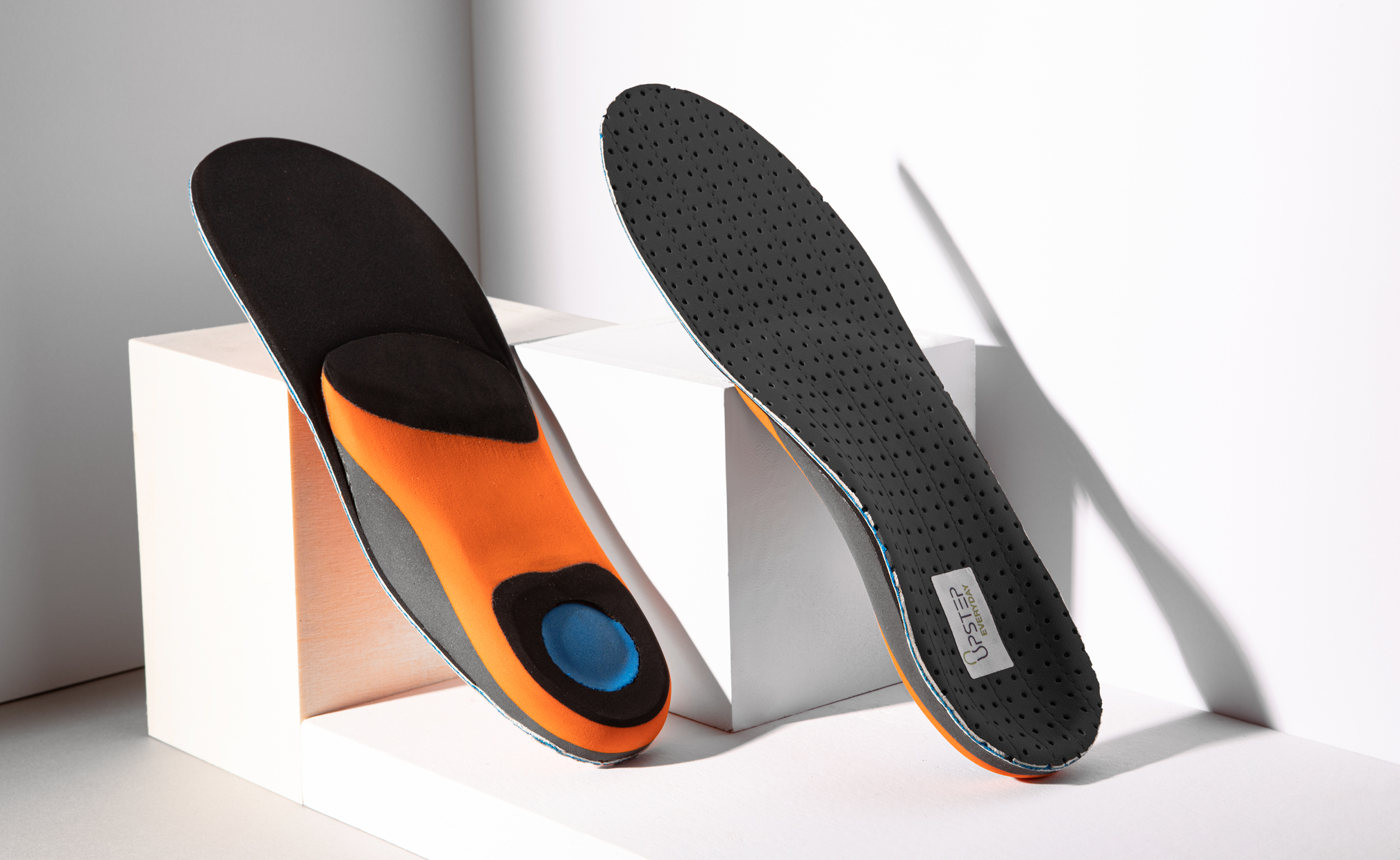
An orthotic is an insert shaped to support your foot inside a shoe. In this article, football means American football, played in molded or detachable cleats.
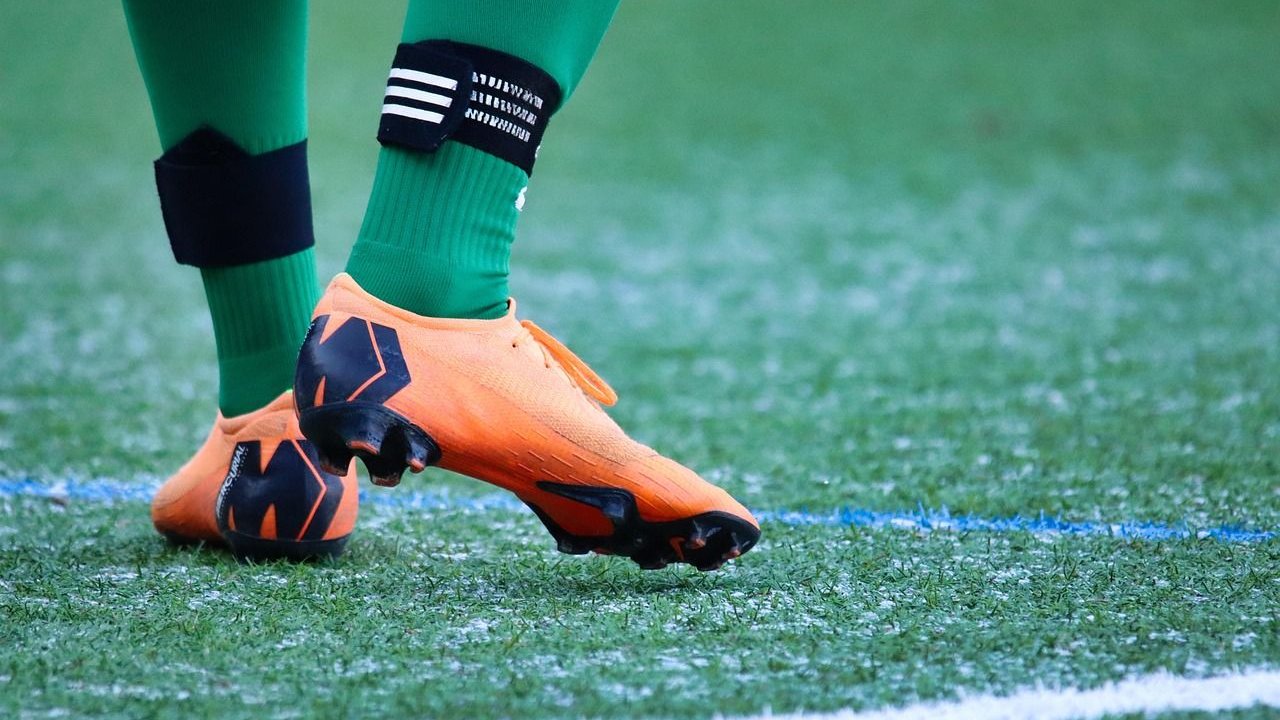
Football cleats are built close to the foot. They hold you steady through cuts, blocks and sprints, which also means there is little spare room inside. An orthotic that adds height or length in the wrong place can push your heel up, squeeze the top of your foot or crowd your toes.
That is why telling the maker you need orthotics for football cleats matters more than it does for sneakers or casual shoes. The design has to suit the footwear, not only your foot.
The rest of this guide covers what to check for fit, how to break orthotics in before you play, how far ahead to order before the season, and when to see a podiatrist first.
What to check for a good fit in football cleats
A good fit in football cleats means the orthotic matches the cleat's length, sits low enough that your heel stays seated, and works with the cleat's original insole in the right way. Check the fit with your game socks on before you trust the orthotics in practice.
Run through these checks at home before game day:
- Put the orthotic in the cleat and wear the socks you play in. Thicker game socks change the fit.
- Lace up fully, the way you would before a game.
- Check your heel, arch and toes. Look for pinching, slipping or rubbing.
- Walk, jog lightly and do a few side steps before you try a full practice.
Length: full length or 3/4 length
Full length orthotics replace the cleat's original insole, while 3/4 length orthotics sit on top of it. Which one fits depends on whether your football cleat's insole lifts out or is sewn in.
A 3/4 length orthotic is designed to sit on top of the existing insole, which suits shoes where the insole is sewn in. Do not tear out a sewn-in insole to make room for a 3/4 length orthotic. Whichever length you use, your toes should not hit the front of the cleat or curl because of the orthotic.
Thickness and heel depth
Thickness matters in football cleats because there is little spare room inside. If your heel lifts out of the back or the top of your foot feels squeezed after adding an orthotic, the setup is too thick or not shaped for that cleat.
The heel counter is the firm cup at the back of a shoe that holds your heel in place. Extra height under the heel can raise your foot out of that cup. Signs the setup is too thick include:
- Your heel slips up and down when you walk or push off.
- The top of your foot feels tight even with the laces loosened.
- Your toes press against the front of the cleat.
Heel slip can rub the skin at the back of your foot. For ways to lower that risk, see our guide on how to reduce the risk and symptoms of blisters.
The cleat's own insole
Before you order, pull gently at the cleat's insole to see if it lifts out. A removable insole is usually replaced by a full length orthotic, and a sewn-in one stays in place under a 3/4 length orthotic.
If the cleat's insole comes out, keep it. You may want it back if you switch the orthotics to another pair of shoes or pass the cleats on.
How Upstep designs orthotics for football cleats
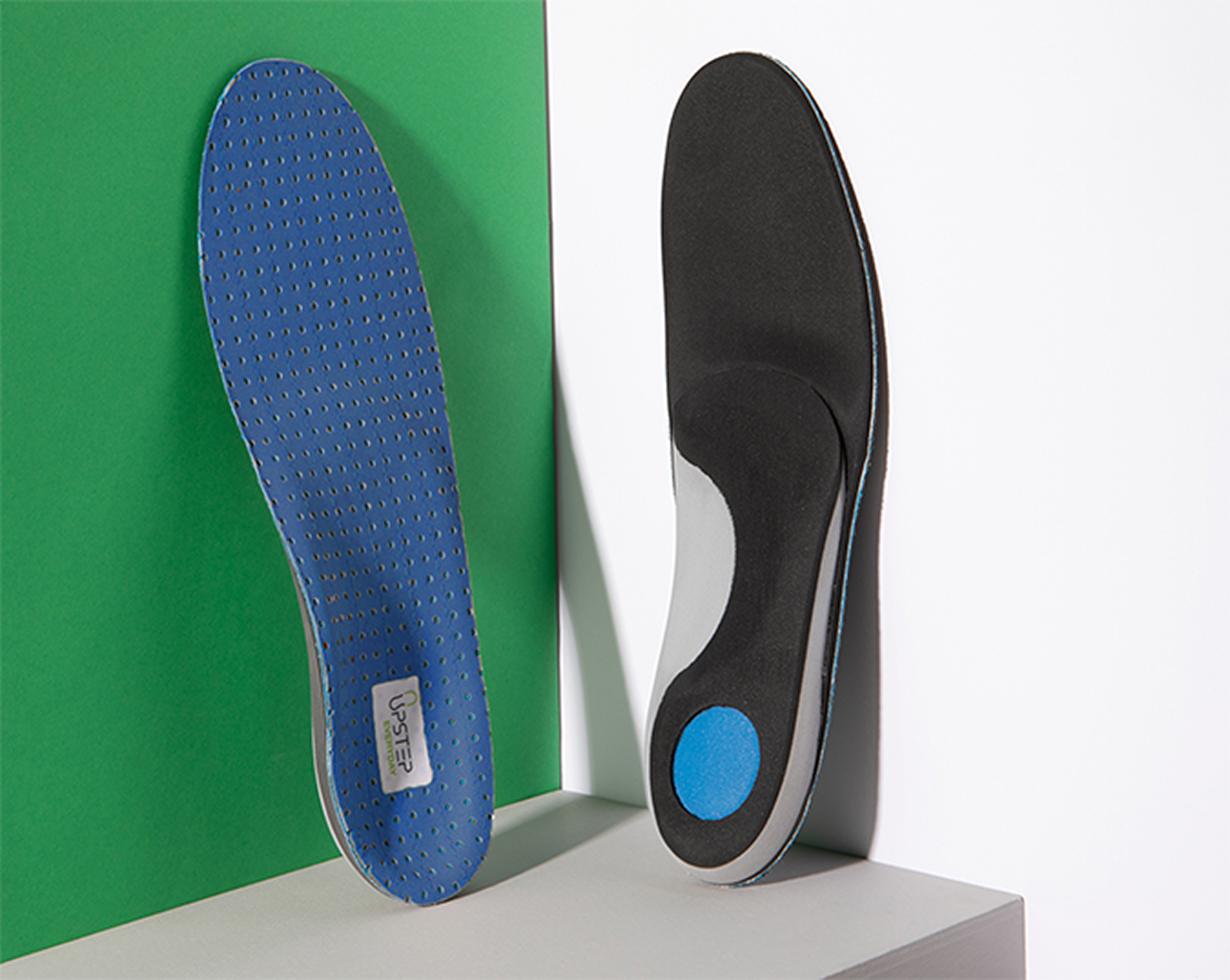
Upstep custom orthotics are designed from an impression of your feet and the footwear you tell us about. For football, the Football Custom Orthotics are listed as cleat compatible, with impact protection and high-performance support.
Here is how the Upstep process works:
- You order and share details. You tell us about your activity and the footwear you will wear the orthotics in. Mention that they are for football cleats.
- Your impression kit arrives. The kit ships in 3-5 business days. You make your foot impression and send the kit back.
- The design team checks your impression. If an impression can't be used, Upstep sends a replacement kit free of charge before production.
- Your orthotics are designed and made. Footwear compatibility is handled by design templates, which is why naming your cleats matters. Upstep custom orthotics ship 12-18 business days after the completed kit arrives.
If your Upstep custom orthotics turn out to be made for the wrong footwear, you don't need to wait out the 21-day adjustment period. You can ask for a complimentary redesign or a refund right away, less a return shipping fee of $19 per pair.
Breaking in orthotics before you play in them
Break in orthotics gradually, starting with short, light sessions before full practice and games. Mild soreness in the arch, ankle or calf in the first weeks is common, which is why Upstep has a 21-day adjustment period. Sharp or worsening pain is different and should be checked by a podiatrist.
New orthotics change how your foot meets the ground. The muscles around your ankle and calf can feel a little sore as they start to work differently. That adjustment can sometimes be felt at the knee too, and careful, gradual wear usually settles it.
A simple build-up looks like this:
- Walk around the house and yard in your cleats with the orthotics in.
- Add light drills such as footwork, backpedaling and easy cuts.
- Move to short practices, then longer ones.
- Play full practices and games once the orthotics feel normal.
Do not debut new orthotics in a game. You want to find any rubbing or pressure points at practice, not in the fourth quarter.
Stop wearing the orthotics and see a doctor or podiatrist if pain is sharp, severe, sudden or keeps getting worse. If the orthotics cause significant pain, blisters or skin damage, you also don't need to wait the full 21 days to contact Upstep. To judge progress in the first weeks, see how to tell if your orthotics are working or not.
When to order orthotics before football season
Order orthotics several weeks before football season starts. The impression kit ships in 3-5 business days, Upstep custom orthotics ship 12-18 business days after your completed kit arrives, and then you still want time to break them in.
The calendar adds up faster than most players expect. Preseason practice is not the moment to wear orthotics for the first time. This table compares each step of the Upstep timeline and how long it takes:
| Step | Timing |
|---|---|
| Impression kit ships to you | 3-5 business days |
| You make your impression and mail the kit back | Depends on you; doing it right away saves time |
| Orthotics are made and shipped | 12-18 business days after the completed kit arrives |
| Break-in before full practice and games | Upstep's adjustment period is 21 days |
The takeaway: plan for several weeks between ordering and your first game in the orthotics. The shipping and production times are business days, and Upstep can't promise faster delivery, so ordering the week before camp is too late.
What Upstep customers ask about orthotics in cleats
Many Upstep customers who play cleated sports ask the same few things: whether orthotics will make snug cleats too tight, what to do with the original insole, and whether one pair can move between cleats and everyday shoes. These are the common questions and the answers.
Will snug cleats feel too tight? Upstep custom orthotics designed for football cleats are shaped for that footwear, which helps. Some snugness in a cleat is normal. Heel slip, squeezed toes or a tight top of the foot are signs to check the fit.
Do I take out the cleat's insole? Only if the insole lifts out and you are using full length orthotics. 3/4 length orthotics sit on top of a sewn-in insole.
Can one pair move between cleats and everyday shoes? You can move orthotics between shoes, but a pair designed for cleats may not sit well in a roomier shoe, and the reverse is also true. A second pair designed for everyday footwear lets each pair match its shoe and saves swapping.
What if the fit isn't right? Within the 180-day guarantee, you get one complimentary redesign. The design team reviews your experience, and you can choose a refund instead. Don't have another provider adjust your orthotics, because outside adjustments void Upstep's return and redesign policies.
One Upstep customer who plays soccer, another cleated sport, shared this:
I play soccer, and my midfoot area hurts all the time, so I started looking for reasons to why that was. I tried Upstep and their insoles are so nice and comfortable. It helps a lot with the comfort of my feet now and I can play at my highest level without having to have pain all the time.Guest
Everyone's feet are different, so one player's experience is not a promise for yours. For more on foot problems in another cleated sport, see our guide to common soccer foot injuries.
When orthotics are not the first step
Orthotics are not the right first step if you have a fresh injury or sudden, severe pain. See a doctor or podiatrist first for swelling, numbness, a wound that won't heal, pain that keeps getting worse, or if you have diabetes. Upstep custom orthotics support the foot; they are not a medical treatment.
Foot pain can change how you run, cut and land. When you favor one sore spot, the load can shift to another part of the foot or leg. Getting the cause assessed first means any orthotic is designed around the right problem.
If you are unsure whether your pain needs a professional, read when to see a podiatrist. Once you are cleared to play, orthotics can be one part of how you support your feet through the season.
Getting Upstep custom orthotics for football
If you want orthotics for football, choose Upstep's Football Custom Orthotics and tell us you will wear them in cleats. Your first pair is $239, and the 180-day guarantee gives you time to break them in and adjust the fit.
- A second pair in the same order is $144, and each additional pair in the same order is $114. A second pair can be designed for your everyday shoes.
- You get one complimentary redesign within the guarantee period.
- Returning orthotics for a refund after they ship carries a return shipping fee of $19 per pair. Refunds go to the original payment method.
- An 8-year breakage warranty covers the orthotic shell, the bottom layer, only. Materials above the shell wear naturally and are not covered.
- Shipping is free, Upstep custom orthotics are HSA/FSA eligible, and Klarna payment plans are available.
See the Football Custom Orthotics page for full details, and mention your cleats when you order so the design suits the footwear you play in.