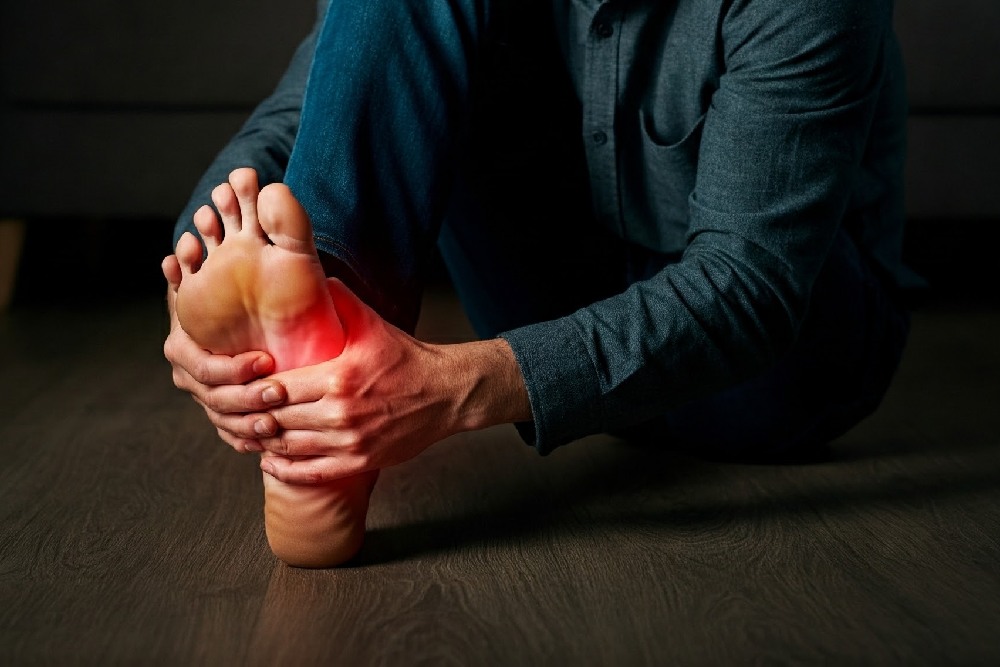


As good and enjoyable as cycling is, it can have detrimental effects on your feet. If you throw plantar fasciitis into the mix, cycling can become a significant source of pain and discomfort. While proper shoes, cleats, and techniques may be enough for the average cyclist, those with plantar fasciitis may also require insoles.
Whether you’re cycling for fun or professionally, those with plantar fasciitis must use the best insoles to maintain optimal foot mechanics, reduce plantar fascia stress, and, with time, reduce discomfort and pain.
In this article, we've detailed the best cycling shoe insoles for plantar fasciitis and why custom orthotics outperform generic alternatives for cyclists dealing with foot pain.
» What causes plantar fasciitis? Discover symptoms and treatments of plantar fasciitis
1. Upstep Plantar Fasciitis Custom Orthotics
| Pros | Cons |
|---|---|
|
|
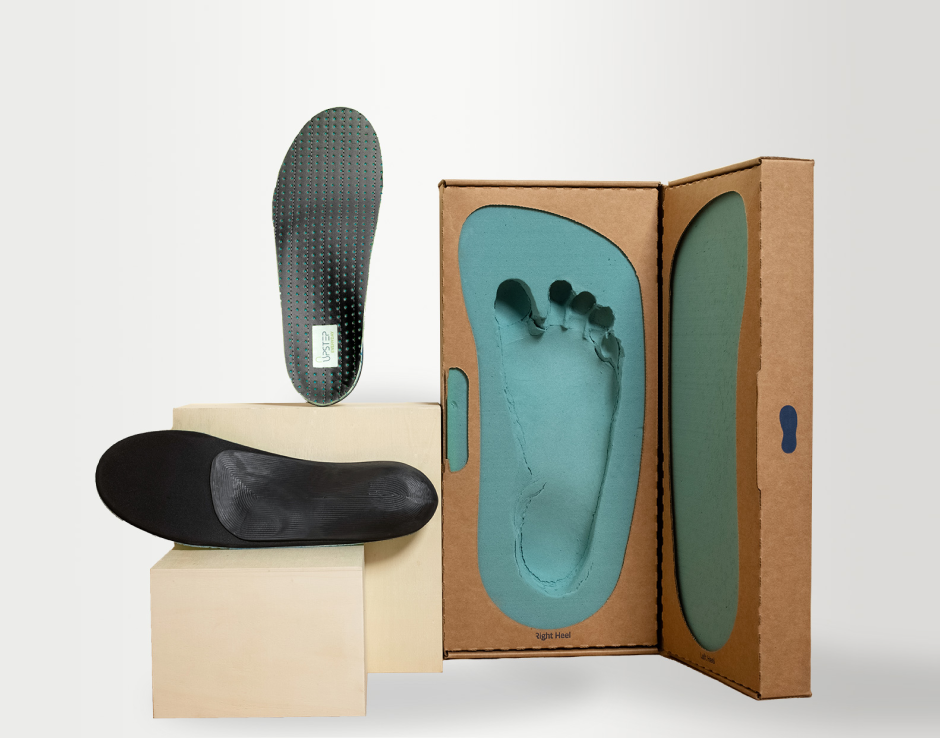
Dealing with plantar fasciitis means every step can be a challenge. Upstep’s Plantar Fasciitis Orthotics are engineered specifically to address this problem for cyclists struggling with heel pain and arch discomfort.
Crafted by professional podiatrists who understand cycling's unique biomechanical demands, these orthotics match your foot shape and provide targeted support to ease heel pain, reduce strain on the plantar fascia, and promote better foot mechanics.
The repetitive motion of pedaling places significant stress on the plantar fascia, particularly when your arch collapses or your heel isn't properly stabilized. Generic insoles provide cushioning but fail to correct the underlying biomechanical issues.
Upstep's custom orthotics correct your foot alignment, redistribute pressure away from inflamed tissue, and support your arch through the entire pedal stroke.
Built to be firm where needed and cushioned for shock absorption, they provide the structural support necessary to maintain proper foot position while absorbing repetitive impact.
Cyclists report a significant reduction in heel pain within 2-3 weeks, improved power transfer through proper alignment, and the ability to ride longer distances without debilitating fatigue.
» What exercises will help with plantar fasciitis? Try these stretches and strengthening exercises for plantar fasciitis
2. Upstep Cycling Custom Orthotics
| Pros | Cons |
|---|---|
|
|
Most cycling shoes come with basic footbeds that don’t do your feet any favors on long rides. Upstep’s Cycling Custom Orthotics are different; they’re designed just for you, with a fit that matches your foot’s exact contour.
The custom fit matches your foot's exact contour, which matters significantly for cycling performance and injury prevention. When your foot isn't properly supported inside a rigid cycling shoe, you place excessive stress on already inflamed tissue.
Generic insoles force your feet to adapt to a predetermined shape. Custom orthotics adapt to your feet, spreading pressure evenly and eliminating the concentration that generic insoles create.
For cyclists, proper foot alignment translates directly to performance gains. When your arch collapses or your heel isn't stabilized, you lose power with every pedal stroke while aggravating your plantar fasciitis.
Custom orthotics provide biomechanical efficiency that serves dual purposes: managing your condition and improving cycling performance.
» Do you need additional arch support? Consider these cycling shoe insoles for arch support
3. Tread Labs Lael Wilcox Cycling Insoles
| Pros | Cons |
|---|---|
|
|
Tread Labs Lael Wilcox insoles are primarily performance-enhancing rather than pathology-limiting, meaning they have limited effectiveness for plantar fasciitis.
While the carbon fiber provides rigid arch support, the generic sizes and choice between four arch heights cannot match the precision of custom orthotics designed specifically for your foot structure and condition severity.
4. SOLE Active Medium Insoles with Metatarsal Pad
| Pros | Cons |
|---|---|
|
|
SOLE Active medium insoles moldable design, still represent a generic approach that cannot provide the precise biomechanical correction your specific case requires.
Unlike true custom orthotics engineered by podiatrists based on your foot structure, these require heat molding that produces inconsistent results.
5. Superfeet Run Pain Relief Insoles
| Pros | Cons |
|---|---|
|
|
Superfeet Run Pain Relief insoles are designed for runners. The moisture-wicking properties and heel stabilizer provide basic comfort features, but the generic sizing and run-specific design cannot address the unique biomechanical demands of cycling with plantar fasciitis.
The one-size-fits-all approach consistently proves inadequate for cyclists requiring precise support.
6. Protalus T-100 Insoles
| Pros | Cons |
|---|---|
|
|
Protalus T-100 insoles are designed for low-volume shoes and require trimming to achieve proper sizing. These insoles provide basic cushioning but offer minimal therapeutic benefit for plantar fasciitis.
The generic design cannot correct the specific biomechanical issues causing your condition, unlike custom orthotics engineered by podiatrists for your individual foot structure and cycling activities.
» Struggling with foot pain and improper posture? Check out the best insoles for flat feet pain approved by physical therapy experts
Why Custom Orthotics Outperform OTC Insoles
Cycling shoes lock your feet into a rigid platform, amplifying any support problems. Generic insoles cannot address this properly for several reasons:
- Generic arch support doesn't match your foot. Predetermined arch heights (low, medium, high) cannot match your specific structure. This leads to inadequate support that allows your arch to collapse and strain the plantar fascia, or excessive support that creates painful pressure points.
- Pressure distribution needs precision. Cycling concentrates force through a small contact area. Generic insoles spread pressure based on average feet, creating hot spots that aggravate plantar fasciitis. Custom orthotics distribute pressure based on your actual foot structure.
- Alignment affects both performance and pain. When your arch collapses with each pedal stroke, you lose power while straining the plantar fascia. You're working harder and hurting more. Custom orthotics maintain optimal alignment throughout the pedal stroke.
- Trimming destroys design. Generic insoles require trimming to fit cycling shoes, which eliminates crucial support zones. Custom orthotics are fabricated to fit precisely without modification.
» Learn more about different types of custom orthotics
Final Verdict
If you have plantar fasciitis and plan on cycling often, consider getting custom orthotics. Even if you have no plantar fasciitis, the perfect fit of custom orthotics to your foot will have preventive effects and can help improve your performance and reduce your injury risk.
» Concerned about cycling with plantar fasciitis? Read these tips from a physical therapist