

5 Best Insoles for Hiking Boots—Get Arch Support for Long Walks




Updated November 11, 2025

While many people aren't bothered about the insoles in their shoes, athletes, runners, and hikers need all the extra support and comfort they can get. The average hiker wants a firm, supportive insole in their hiking boots to guarantee a pain-free experience during and after hiking.
When you're faced with many choices, you may choose the wrong insole on a whim. To avoid such an uninformed guess, we have carefully selected seven insoles for you to consider. Let’s look at their benefits and differences.
Our Top Picks for the 5 Best Hiking Boots Insoles
- Upstep Fitness Walking & Hiking Custom Orthotics
- Superfeet Trailblazer Comfort
- SOLE Active Thick
- Protalus M-100 Elite
- Tread Labs Pace
1. Upstep Fitness Walking & Hiking Custom Orthotics
Pros
- Custom-made by top podiatrists
- Comfort and extra cushioning
- FSA and HSA Eligible
- 180-day money-back guarantee
Cons
- Short waiting period
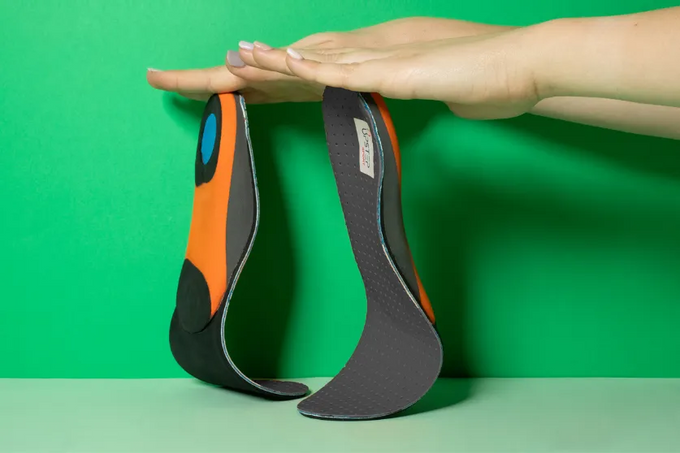
Upstep Fitness Walking and Hiking Custom Orthotics are custom-made to fit your feet for the utmost in comfort and support. Professional podiatrists custom-make each set of insoles with the help of customer-supplied foot impression kits, premium materials, and state-of-the-art machinery.
If you put Upstep insoles in your hiking boots, you won't have to worry about blisters or sore feet, no matter how rough the terrain gets. Furthermore, what's the deal here?
If you try Upstep insoles and aren't completely satisfied with the results, you can get your money back within 180 days. Buying a pair of Upstep insoles is a win-win proposition.
Upstep insoles are affordable, eligible for FSA and HSA, and offer interest-free payments through Klarna. Orders are fulfilled quickly by a large, skilled team, serving the most customers among online brands, with customer service backed by over 14,000 5-star reviews.
2. Superfeet Trailblazer Comfort
Pros
- Medium to high arch support
- Stabilize foot on different terrains
- Heel impact technology
Cons
- Needs to be trimmed to fit shoes
- Shifts around causing hot spots
- Squeaky noise
- Costly compared to alternatives
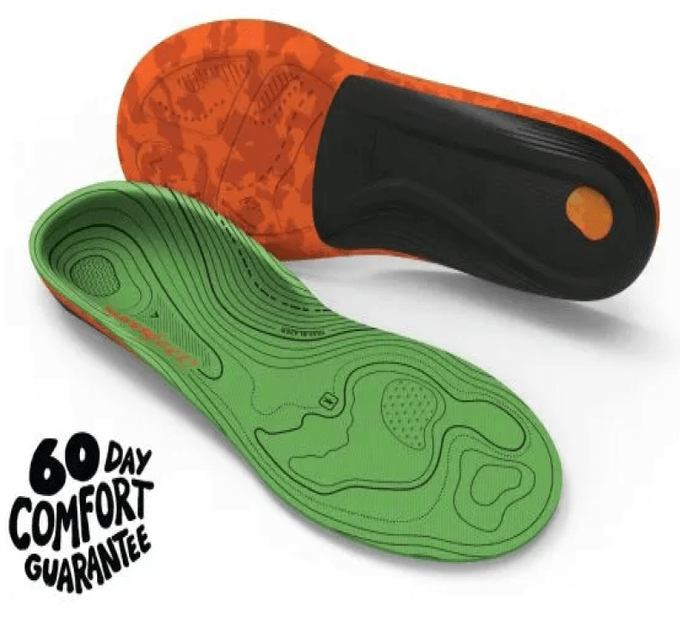
Superfeet Trailblazer Comfort insoles feature a deep heel cup and medium to high arch support to stabilize the foot on different terrain. However, they require trimming to fit properly, which destroys the engineered support zones.
They sometimes shift around in boots, causing hot spots and blisters. Unlike custom orthotics fabricated to fit precisely, generic insoles require guesswork that compromises hiking performance.
» Do you need insoles for other sporting activities? Discover the best arch support insoles for running and cycling shoes
3. SOLE Insoles
Pros
- Cushioned footbed
- Built-in metatarsal pad
- Different sizes available
Cons
- Too thick for other shoes
- Not custom-made
- Does not fit all foot arches
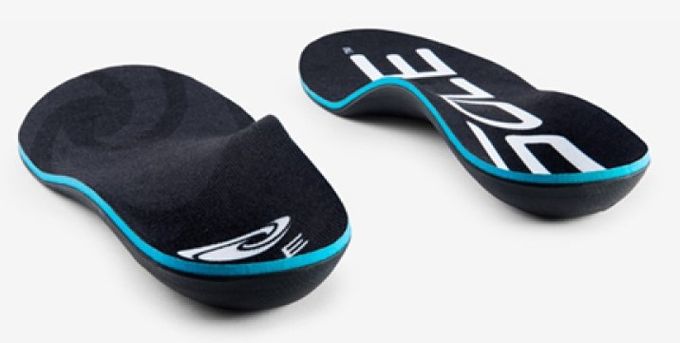
SOLE Active Thick insoles have a cushioned footbed and built-in metatarsal pad for forefoot comfort. They come in varying sizes suitable for most arch heights. However, these insoles are not custom-made and cannot address your specific biomechanical needs.
The generic sizing means you're approximating a fit rather than receiving orthotics engineered precisely for your foot structure and hiking activities.
4. Protalus M-100 Elite Insoles
Pros
- Firm insole for pain relief and comfort
- Maximum alignment
- Different sizes available
Cons
- Short-lived usage
- Flatten out after regular use
- May not find the correct size
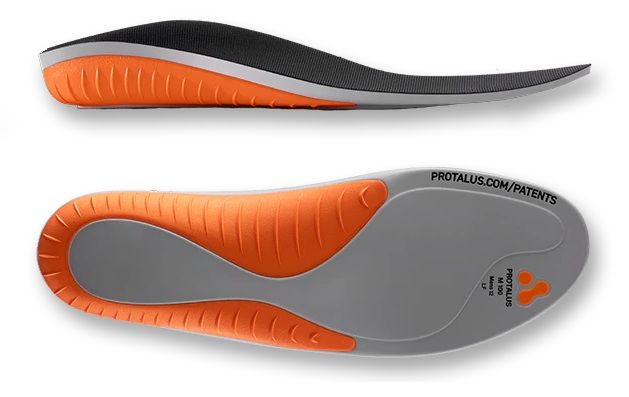
Protalus M-100 Elite insoles provide alignment and support with a firm design for pain relief and comfort. They come in varying sizes to approximate your foot size.
However, they flatten out within 4-6 months compared to custom orthotics that last for years. The generic design cannot provide the precision correction necessary for optimal hiking biomechanics, unlike orthotics designed by podiatrists for your individual foot structure.
5. Tread Lab Pace Insoles
Pros
- Different arch support heights
- Varying sizes available
- Extra firm medical-grade support
Cons
- Rigid support may not be for everyone
- Must trim them to fit shoes
- Customer responsible for shipping
- Longer waiting time
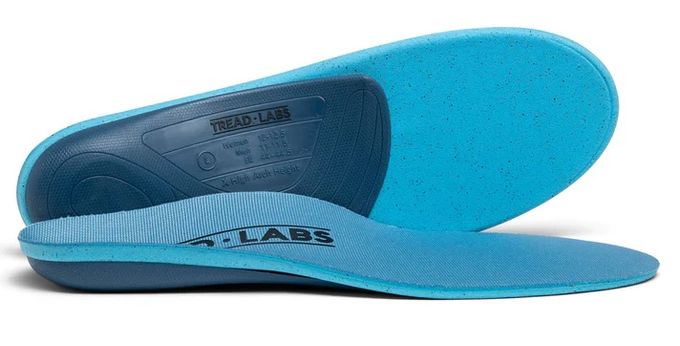
Tread Labs Pace insoles provide arch support and improve foot alignment with four different arch heights: low, medium, high, and extra high. While this offers more options than completely generic designs, choosing between predetermined heights still requires guessing which matches your foot structure.
They also require trimming to fit. This trial-and-error approach cannot match the precision of custom orthotics engineered based on your actual foot measurements and hiking biomechanics.
» How beneficial are arch supports? Arch supports are beneficial to your feet and ankles
Why Custom Orthotics Outperform OTC Insoles for Hiking
Hiking amplifies every biomechanical flaw in your gait. Uneven terrain, extended duration, and pack weight magnify the consequences of improper support.
Individual biomechanics need individual solutions. Generic insoles provide standardized support that cannot match your specific foot structure, arch height, and pronation pattern. This one-size-fits-all approach may partially help or may worsen alignment issues. Custom orthotics correct your specific biomechanical abnormalities.
Terrain demands precision. Varied terrain requires stable foot positioning that generic arch support cannot provide. When your arch collapses on uneven ground, you lose stability and increase injury risk. Custom orthotics maintain proper alignment regardless of terrain changes.
Durability matters. Generic insoles compress and lose support within months of regular hiking. Custom orthotics maintain their structural integrity through hundreds of trail miles.
Trimming destroys design. Most generic insoles require cutting to fit, eliminating crucial support zones. Custom orthotics are fabricated to fit your hiking boots precisely without modification.
Hike With Confidence and Comfort
Now that we’ve done all the hard work, you can weigh up your options and make an informed choice. While your decision is based on your specific needs, we recommend custom orthotics as the best choice. As the most accommodating and durable option, custom orthotics will provide the most support while hiking.
» How do you know if you need arch support? These factors can indicate you need arch support
FAQs
How are Upstep hiking orthotics different from store-bought insoles?
Upstep orthotics are custom-made by podiatrists based on your exact foot structure, while store-bought insoles use generic arch heights that require guessing. Custom orthotics correct your specific biomechanical issues, preventing hiking injuries. Generic insoles provide temporary cushioning but cannot address the alignment problems that cause fatigue and pain on the trail.
Will custom orthotics fit in my hiking boots?
Yes. Upstep orthotics are designed to fit hiking boots with removable insoles. Specify your boot type when ordering so podiatrists can design appropriate thickness and length. Unlike generic insoles that require trimming (which destroys their support), custom orthotics are fabricated to fit precisely without modification.
How long do Upstep hiking orthotics last?
Upstep orthotics maintain their structural integrity through years of regular hiking, while generic insoles typically compress and lose effectiveness within 3-6 months. The durable materials are specifically selected for trail conditions and repetitive impact, providing consistent support season after season.